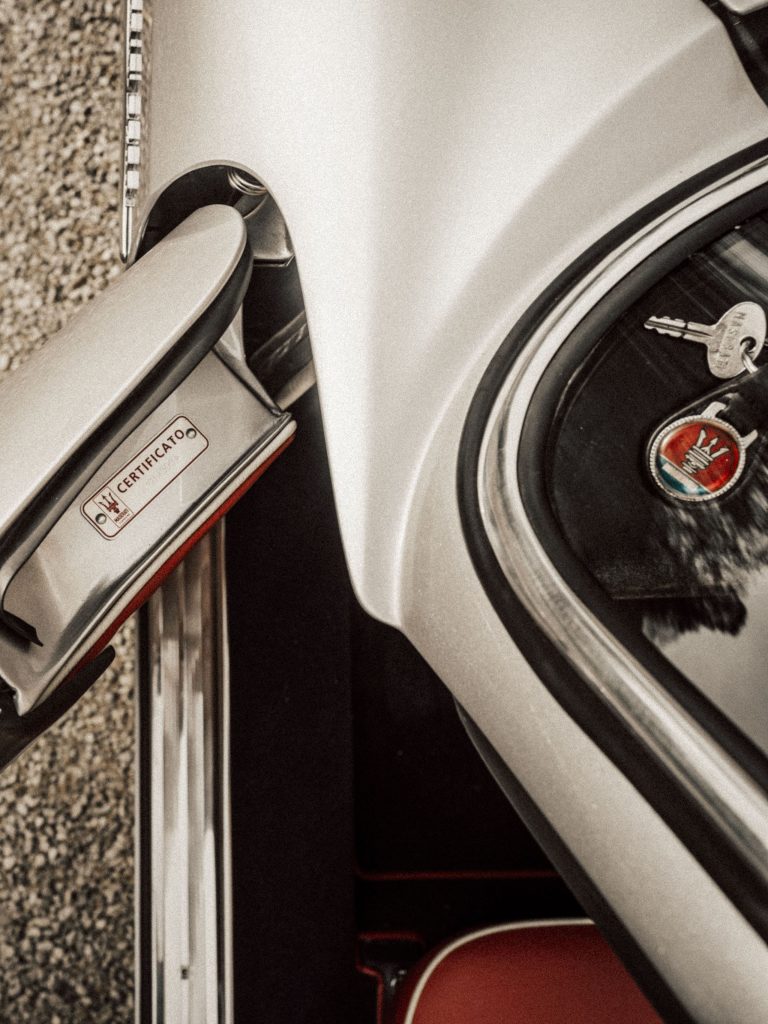
Maserati Classiche has reached a significant milestone with the issuance of its 100th Certificate of Authenticity, reaffirming the House of the Trident’s commitment to preserving and enhancing its historical heritage. Receiving this symbolic recognition is the Maserati 3500 GT Vignale Convertible prototype, identified by chassis number 101505*. A car of extraordinary historical value, it marks the beginning of Maserati’s convertible grand-touring tradition and represents a milestone in the evolution of the Modena-based brand.
The Maserati Classiche programme, established in 2021 and based at the Maserati workshops in Modena, supports customers and collectors in preserving the House of the Trident’s historic cars. Today, the department is an integral part of the BOTTEGAFUORISERIE project of excellence, where technical expertise, historical research and Modenese craftsmanship come together to safeguard the brand’s heritage. Among the services most valued by international clients is the Certificate of Authenticity process, entrusted to a committee of experts who examine each car through an in-depth analysis of its technical features, historical documentation and Maserati archives. The certification applies to vehicles over twenty years old, as well as to the brand’s special models and limited series.
The Origin of Maserati Spyders
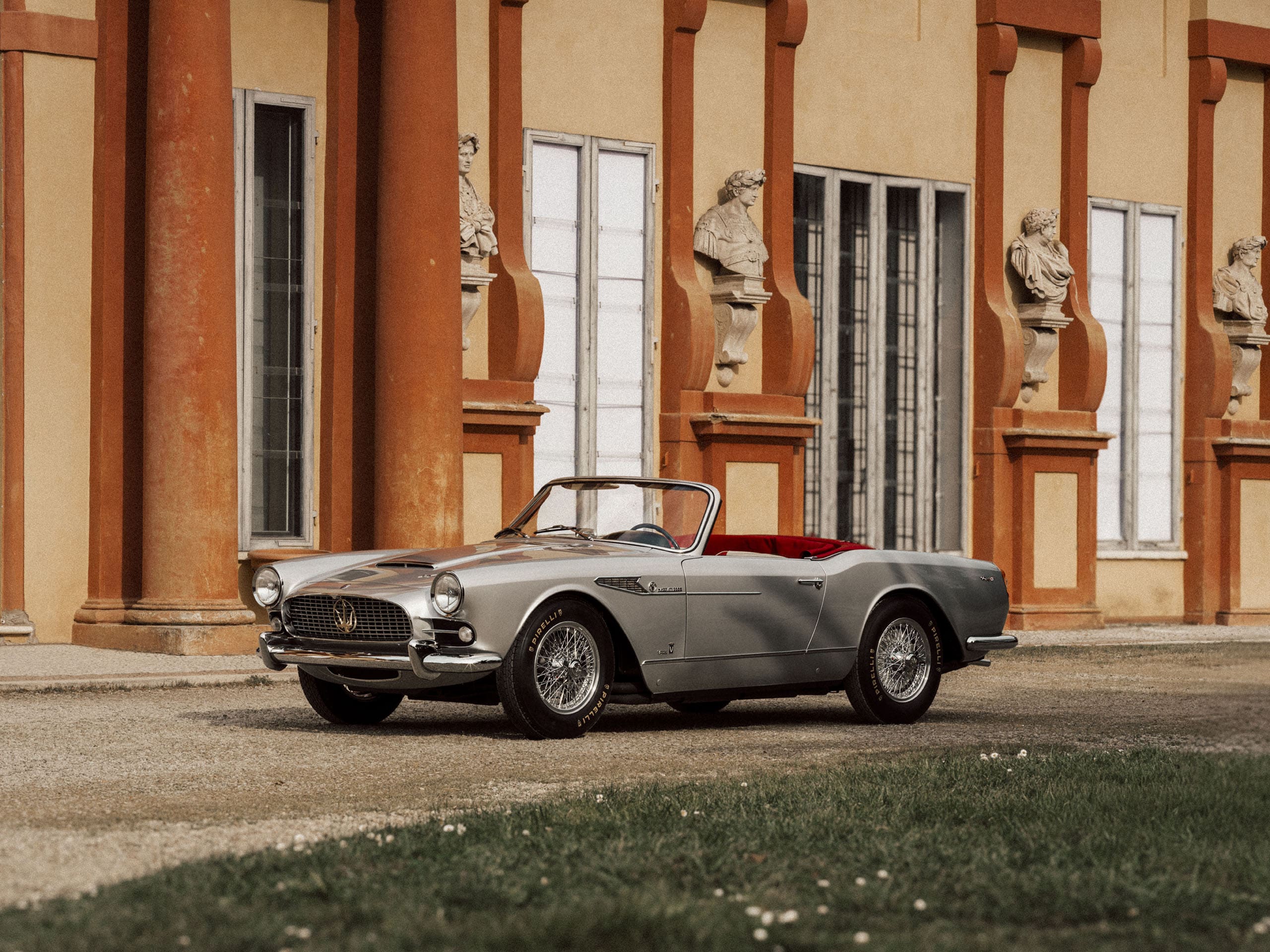
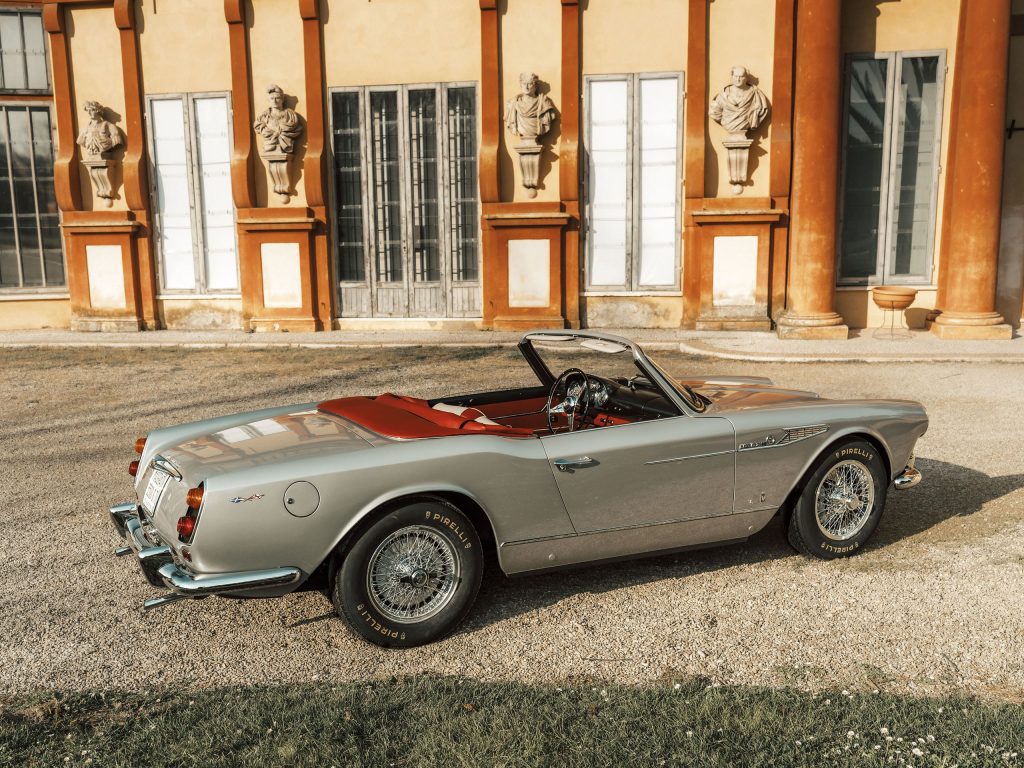
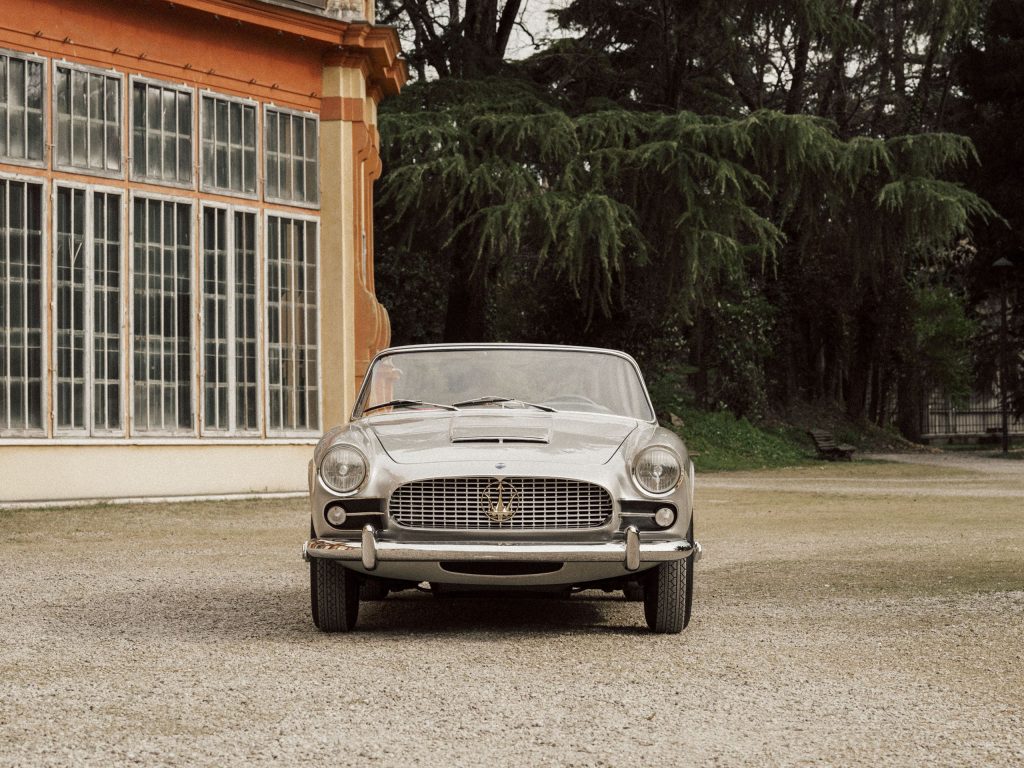
The star of the 100th certification is the 3500 GT Vignale Convertible Prototype, developed by Carrozzeria Vignale under the stylistic direction of Giovanni Michelotti. Unveiled at the 1959 Turin Motor Show and built in just five units, it marked Vignale’s first styling exercise for Maserati – a unique project never intended for series production. From this prototype, the celebrated 3500 GT Vignale Convertible took shape, produced in around 250 units between 1959 and 1964 and embodying the elegance and innovation that defined Italian design of the era. This prototype established the archetype of Maserati’s GranCabrio models: cars capable of combining sporting performance, elegance and the pleasure of open-air driving. A concept that would go on to become one of the pillars of Maserati’s identity. Its harmonious proportions, long front bonnet and sleek rear line express the stylistic language of late-1950s Italian automotive design, creating a model that would leave a lasting mark on the brand’s history.
Restoration and certification
Built in Modena in the late 1950s, the car underwent a meticulous restoration between 2023 and 2026, carried out in the very city where it was born and with the direct support of Maserati Classiche. The work included a thorough verification process of the car’s original features, based on an analysis of Maserati’s historical archives and the involvement of the brand’s specialists. This restoration made it possible to return the car to the configuration in which it was presented at the 1959 Turin Motor Show, preserving its historical and technical authenticity. The restored and certified 3500 GT Vignale Convertible prototype fully embodies the mission of Maserati Classiche: to safeguard and pass on a heritage shaped by engineering excellence, Italian design and Modenese artisanal tradition.
Vignale identity and Maserati engineering
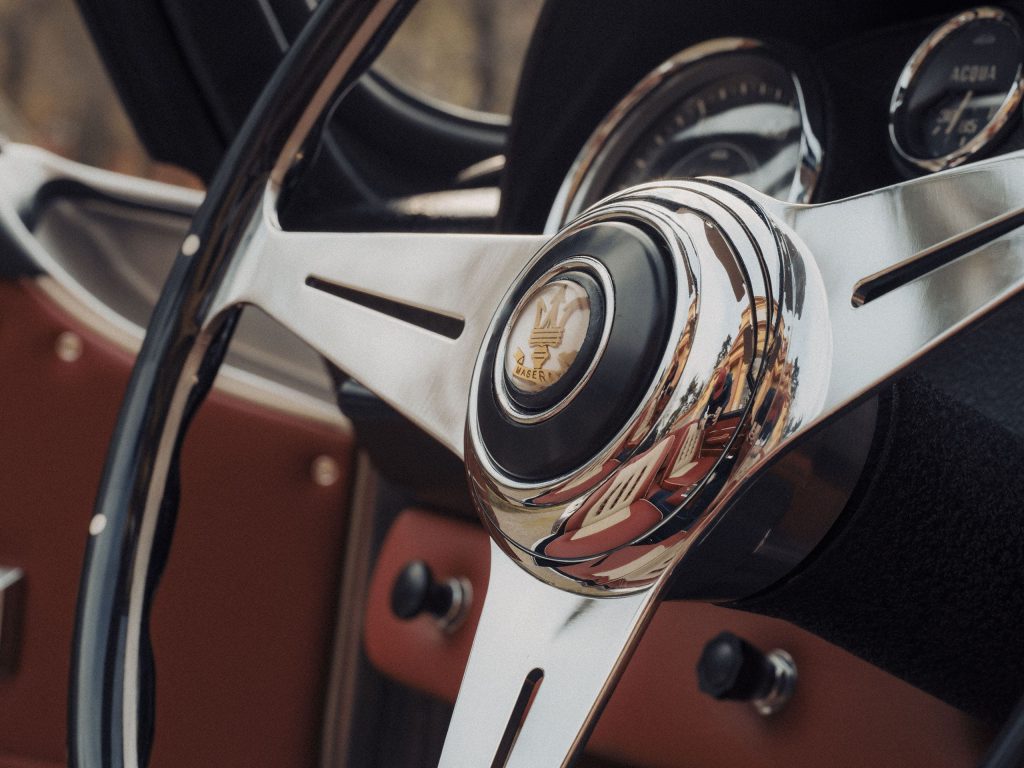
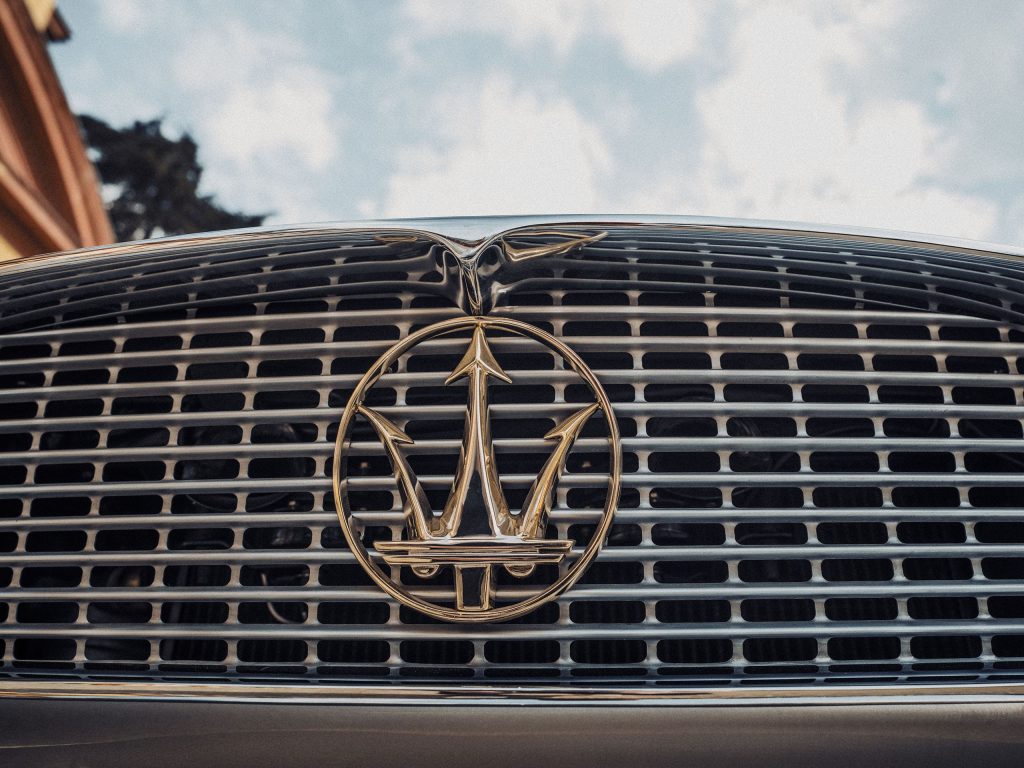
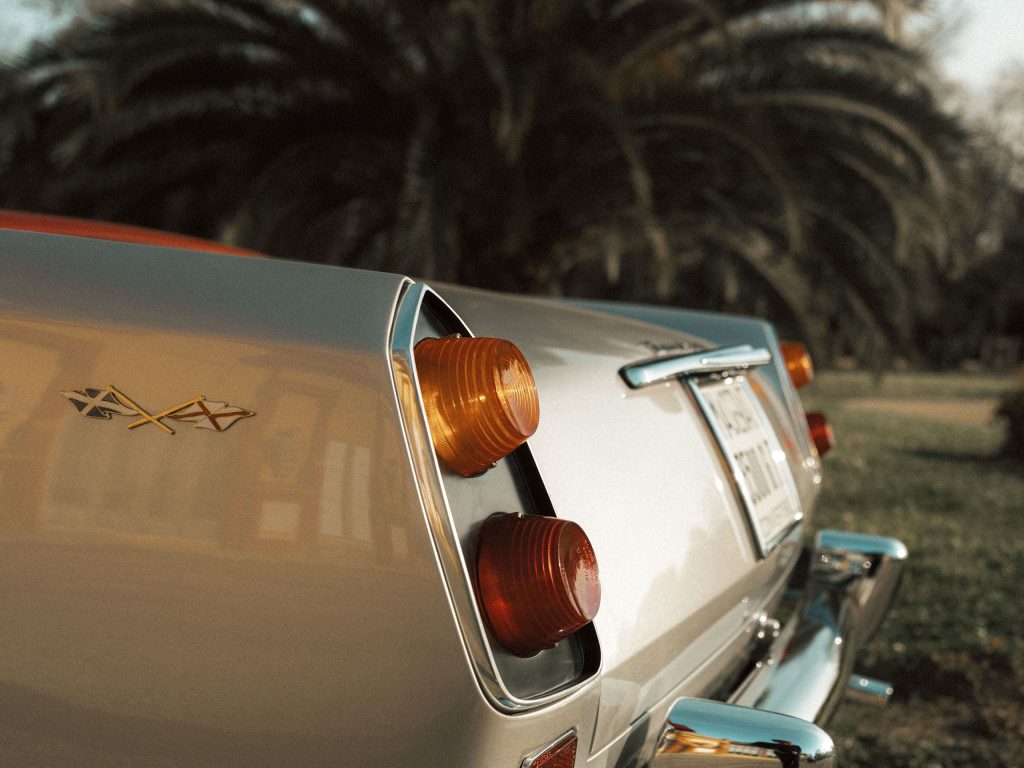
One of the car’s most distinctive elements is its colour scheme, which directly recalls the identity of Carrozzeria Vignale. The silver bodywork is paired with a cabin featuring ivory and red interiors, blue carpets and refined gold details. A combination that echoes the colour palette of the Vignale logo and transforms the car into a true three-dimensional interpretation of the emblem of the Turin-based coachbuilder. Beneath the bonnet of the 3500 GT Vignale Convertible prototype lies Maserati’s renowned 3,485 cc inline six-cylinder engine, fed by Weber carburettors and capable of delivering 235 hp at 5,500 rpm. The engine is paired with a four-speed ZF manual gearbox. The technical configuration includes front double wishbone suspension, a rigid rear axle with longitudinal leaf springs, and the iconic Borrani wire wheels. This layout allowed the car to reach a top speed of around 235 km/h, embodying the philosophy of Maserati grand-touring philosophy of the era.
From the origins to the GranCabrio
The 3500 GT Vignale Convertible prototype represents the starting point of Maserati’s convertible granturismo tradition. In the 1960s, these cars were also conceived for international markets, particularly the United States, where demand for Italian luxury sports cars was growing rapidly. Today, that same spirit lives on in the brand’s modern convertibles: from the 3500 GT Convertible of 1959 to the current GranCabrio, Maserati has continued to reinterpret the concept of the convertible granturismo. The proportions and vision embodied by this prototype defined a stylistic formula that would go on to become one of the most recognisable expressions of Maserati’s identity.