

Seollal, the cherished traditional festival and national holiday of Korea, holds a special place in the hearts of Koreans worldwide. Commemorating the start of the lunisolar calendar, this festival is celebrated with immense enthusiasm in North and South Korea as well as among Korean communities across the globe.
The word “Seol” carries a profound meaning – the “year of age,” signifying the day when Koreans mark the passage of another year in their lives. Derived from the same root, “sal” refers to “age” in modern Korean, while “Nal” translates to “day.” Typically falling in January or February, Seollal follows the second new moon after the winter solstice, adapting if intercalary months alter the equation. This ensures that the New Year aligns with the third new moon after the solstice.
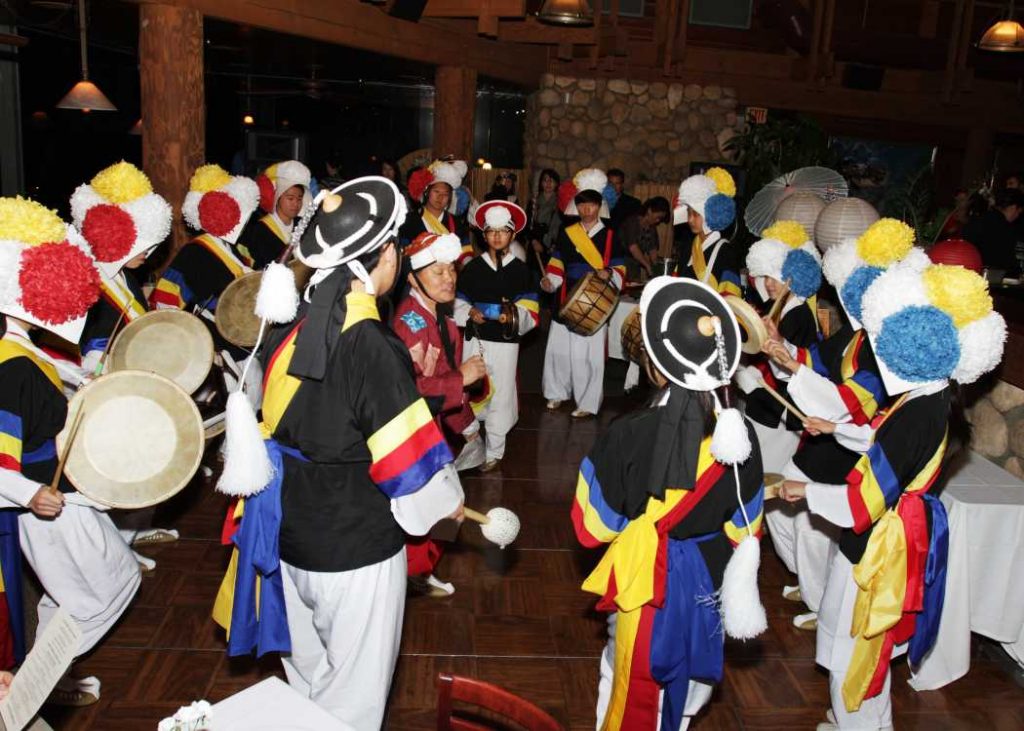
During this festive period, families unite to partake in an array of customs. Ancestral ceremonies, the donning of traditional clothing like hanbok or Chosŏn-ot, savoring traditional delicacies and engaging in age-old folk games are all integral to the celebrations. One highlight of Seollal is the practice of receiving monetary gifts from elders after a formal bow, a tradition with roots in Confucian customs.
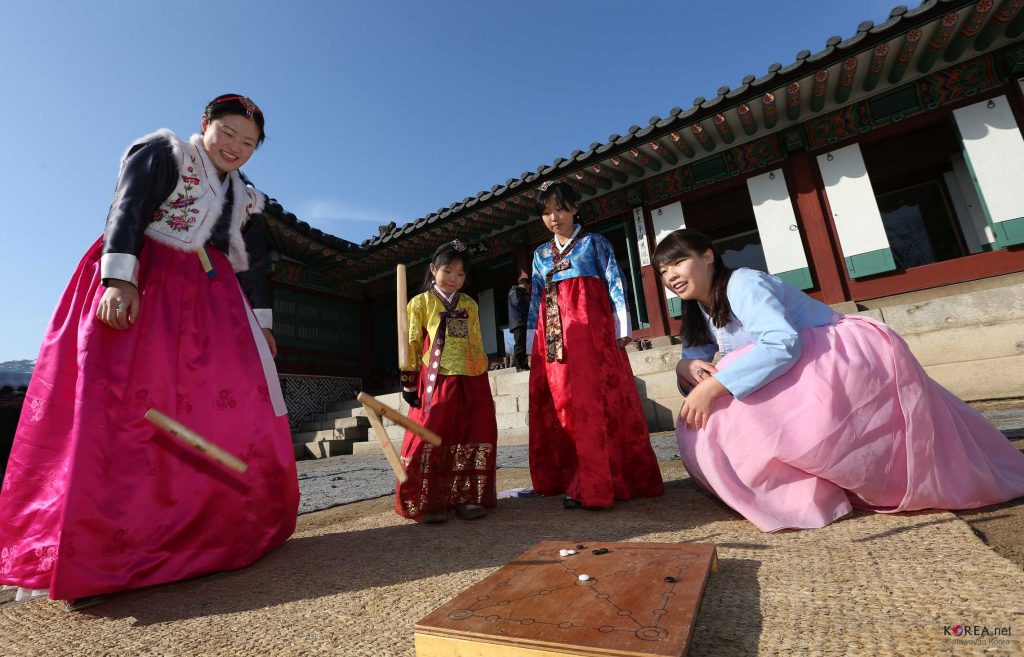
Rooted in family values, the Korean New Year prompts many to return to their hometowns during the three-day holiday. An essential ritual known as charye involves female relatives preparing food and male relatives serving ancestors. Both genders partake in eumbok by consuming the food, seeking ancestral blessings for the year ahead.
Gift exchange is customary among family members, accompanied by the wearing of new attire. Elaborate spreads of traditional dishes are prepared for visiting relatives, and the occasion begins with paying respects to ancestors by placing offerings on a table. Deep bows and prayers for family well-being follow, embodying respect and tradition. Attired in the colourful hanbok, a traditional garment, Koreans continue with the festivities, which ends in a grand feast.
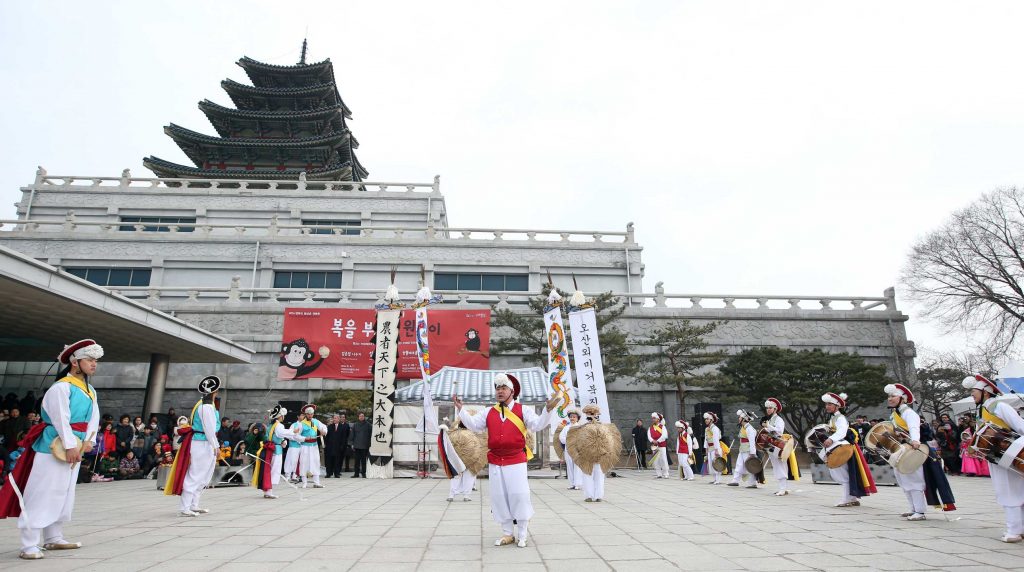
An important part of Seollal is the “Sebae” ritual, an expression of filial piety where individuals, adorned in traditional clothing, offer a deep bow and wish for a prosperous New Year to their elders. This gesture is reciprocated with Sebaetdon or New Year’s money, traditionally presented in silk bags featuring intricate designs. Elders also share wisdom, or dŏkdam and historically gifted rice cakes and fruits to their children.
The festive fare during this time features tteokguk, a rice cake soup rich in symbolism. It signifies good fortune and longevity, with rice cake shaped as ropes sliced into thin, oval shapes reminiscent of traditional Korean currency. Symbolising new beginnings, the dish is a highlight of Seollal’s culinary traditions.
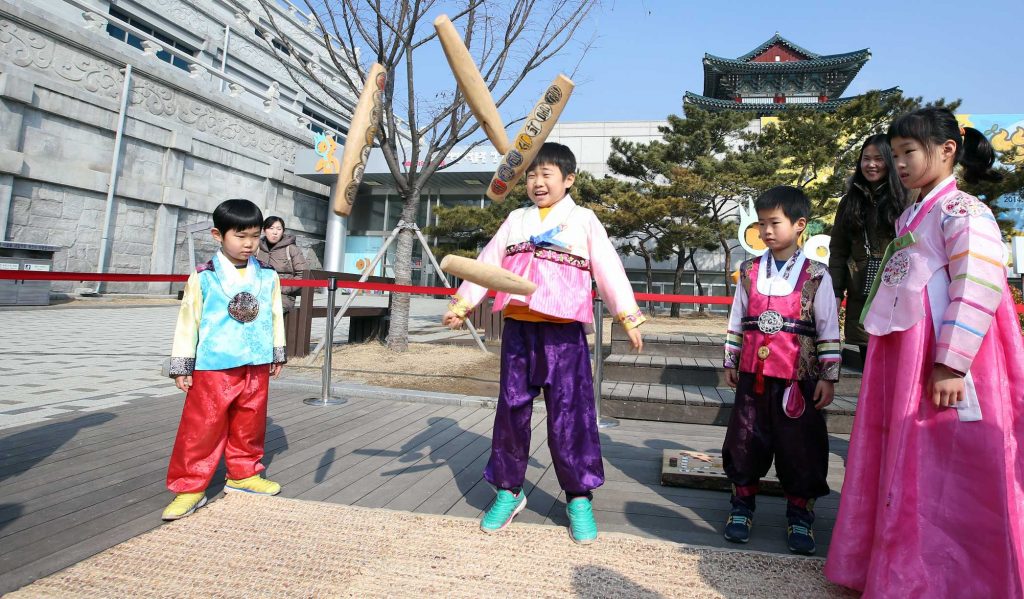
In addition to delectable cuisine, traditional games form a significant part of Seollal. From the family board game yutnori to kite flying, jegichagi and more, these activities unite all ages and genders, fostering a sense of camaraderie and enjoyment.
Seollal is a meaningful celebration of Korea’s heritage, blending time-honoured rituals, delectable flavors, vibrant attire and spirited games. It encapsulates the essence of family, culture and unity, creating a jubilant atmosphere that resonates across generations.